
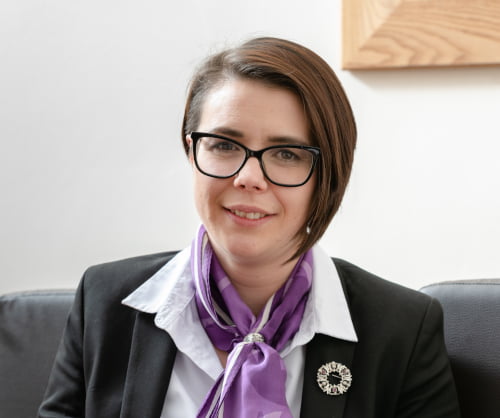
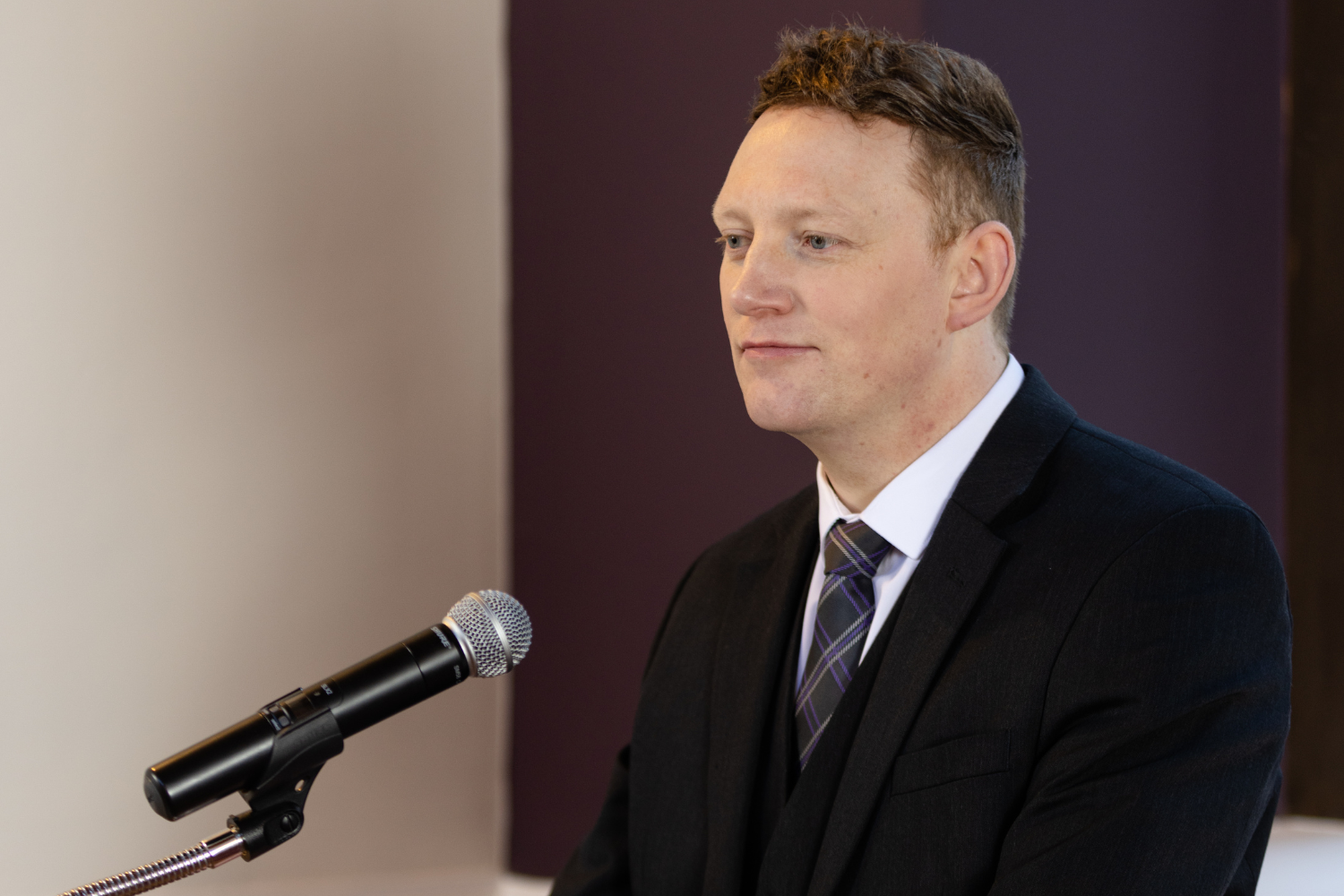
Leading a funeral service can be done by anyone. In our experience, there’s value in using an officiant that reflects the beliefs of the person who’s died, who offers funeral expertise and blending this with contributions from family and friends.
Whether you want a traditional or contemporary experience, here’s our summary of funeral officiants, and what to expect from each type.
Clergy lead religious funerals and we will liaise with local or retired faith leaders to support and advise you. This includes Christian ministers, pastors, priests or vicars as well as Muslim imams or Jewish rabbis. Clergy lead services in a place of worship but can also attend at crematoria, funeral home or other locations. Depending on the clergy used and their location, some do not charge for their services while others may provide a professional fee or accept donations in lieu of a charge.
Celebrants conduct ceremonies: naming ceremonies, weddings and funerals. They offer a service which can blend religion with your desired blend of content to provide a dignified funeral.
Civil celebrants coordinate non-religious events but can include belief systems. Celebrants can lead services in churches as well as crematoria, funeral homes or other locations. A fee is charged for their professional services.
Humanist-led funerals are non-religious where ceremonies may involve singing but these will not include traditional hymns or prayers. The service is shaped by the person’s life and often involves contributions from family and friends. Services can be held in crematoria, funeral homes or other locations. A fee is charged for their professional services.
All officiants will spend time with families and friends to get as much insight into the style of event and legacy to share about the person who’s died. They will guide families through the service expectations offering insight into location, timings and other essentials.
Family and Friends
Those closest to someone who’s died often feel both a desire and a responsibility for taking part in a service. Some feel strong enough to lead on the day, others more comfortable with making a contribution. This can be done through readings, singing, or through tributes and may not be limited to the funeral service itself but later celebrations of life or memorials.
Whatever works for you and your loved ones, we’ll help guide you to make decisions, make connections and support you with the wider funeral arrangements.
Frequently asked questions
Do we have to use a celebrant or someone that isn’t family to lead a service?
There is no rule or requirement when it comes to leading a service. Those who knew the person who’s died often take the officiant role. We can provide celebrant recommendations whether that’s a faith leader, celebrant or humanist. And if none are required, we can assist whoever a family chooses when it comes to preparing tributes and organising a service. You can read more in our ‘Officiants Explained’ guide.